

Grappa
Made from the grape with Italian love and craftsmanship: a digestif of real class.
What is grappa?
Grappa is an Italian distilled spirit, made from what is left of the grapes after winemaking. Grappa contains 37.5% to 60% alcohol. Sometimes a little sugar or fruit syrup is added to make it smoother and sweeter. In Italy grappa is mainly drunk as a digestif, after a heavy meal.
Young or aged
Young grappa is served cold and rarely, if ever, mixed with other drinks. Better, older grappa is best enjoyed at room temperature, so that its flavour can come into its own.
Caffè corretto
Grappa can also be added to a cup of espresso. This makes a caffè corretto, which means ‘corrected coffee’.
Ammazzacaffè
With an ammazzacaffè (‘coffee killer’), a cup of espresso is followed by a small glass of grappa.
The history of grappa
According to a well-known Italian legend, the first grappa was made in the 2nd century BC by a Roman soldier, in the northern Italian town of Bassano del Grappa, using instruments stolen from Egypt. This is probably a myth, as the distillation techniques of the time were not suitable for making grappa.
The first grappa was probably made between 1300 and 1400, after the instruments had reached Italy from Persia and the Levant by way of the Crusades. Around the same time, water was introduced as a coolant in the distilling process, allowing much larger quantities to be made.
Around 1600 the Jesuits in Spain, Italy and Germany began to study and record the techniques. Their methods are still used today. In the Museum of Wine and Grappa you can see the historical equipment used to distil grappa in the early years. Bassano del Grappa is still regarded as the place where grappa was first made.
The modernisation of grappa distillation is relatively recent and probably began in 1979 in northern Italy. Modern refinements include distilling the grape residue under vacuum, using specific grape varieties and maturing in casks of different woods to improve the flavour. Oak is the most widely used, but some quality grappas mature successively in oak, acacia, ash and cherry wood casks, an innovation by the Marzadro distillery.
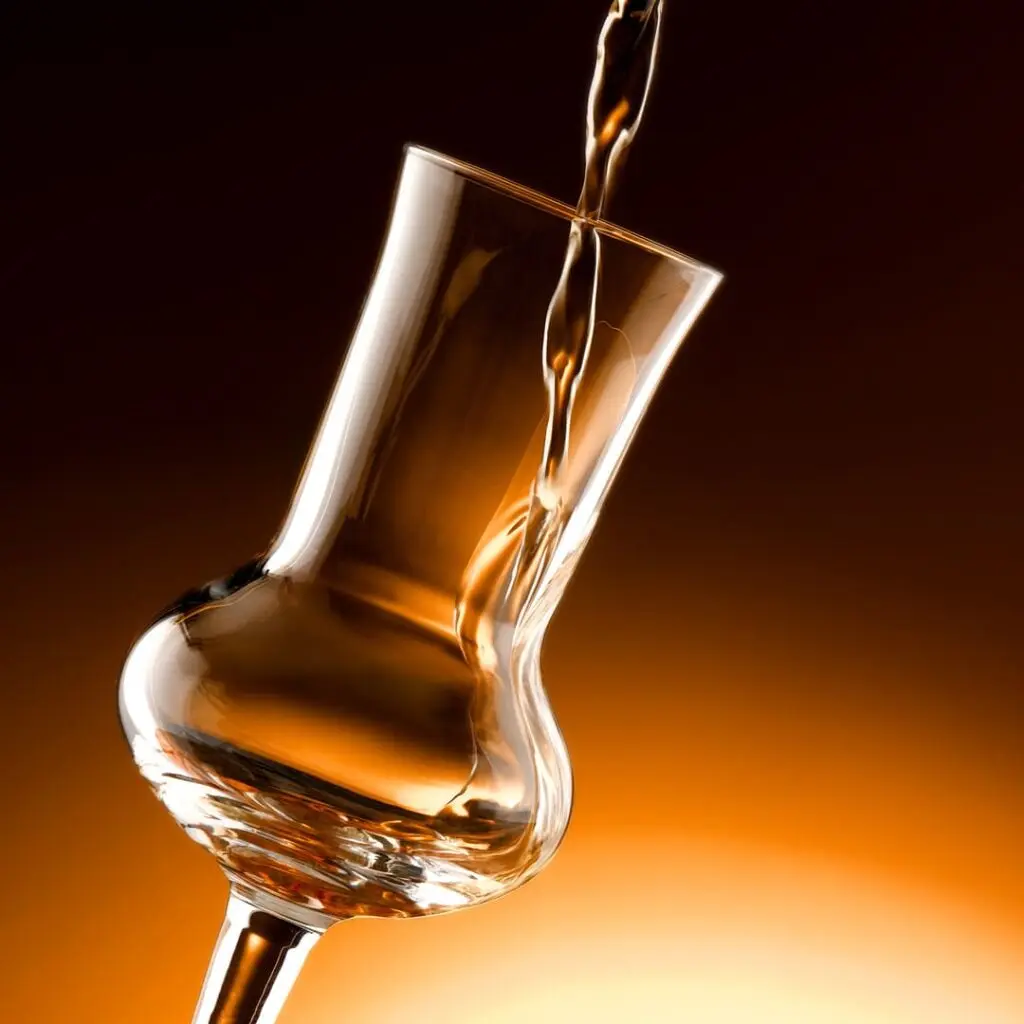
The production of grappa
The production of grappa is laid down in law by the European Union. A spirit may only be called grappa if it has been made in Italy, San Marino or the Italian-speaking part of Switzerland. It must be made from grape residue, and no extra water may be added during fermentation and distillation.
This grape residue is what remains after making wine: grape skins, pulp, pips and stalks. Grappa was originally made so that none of the grapes had to be thrown away at the end of the wine season. The grape residue is fermented and then distilled.
The taste of grappa depends on the type and quality of the grapes and on the distillation process. Herbs or sweet fruit syrups may also be added during production.
An Italian law obliges winemakers to sell their grape residue to grappa producers. This measure is intended to combat illegal distilling, which has consequently become very rare in Italy.
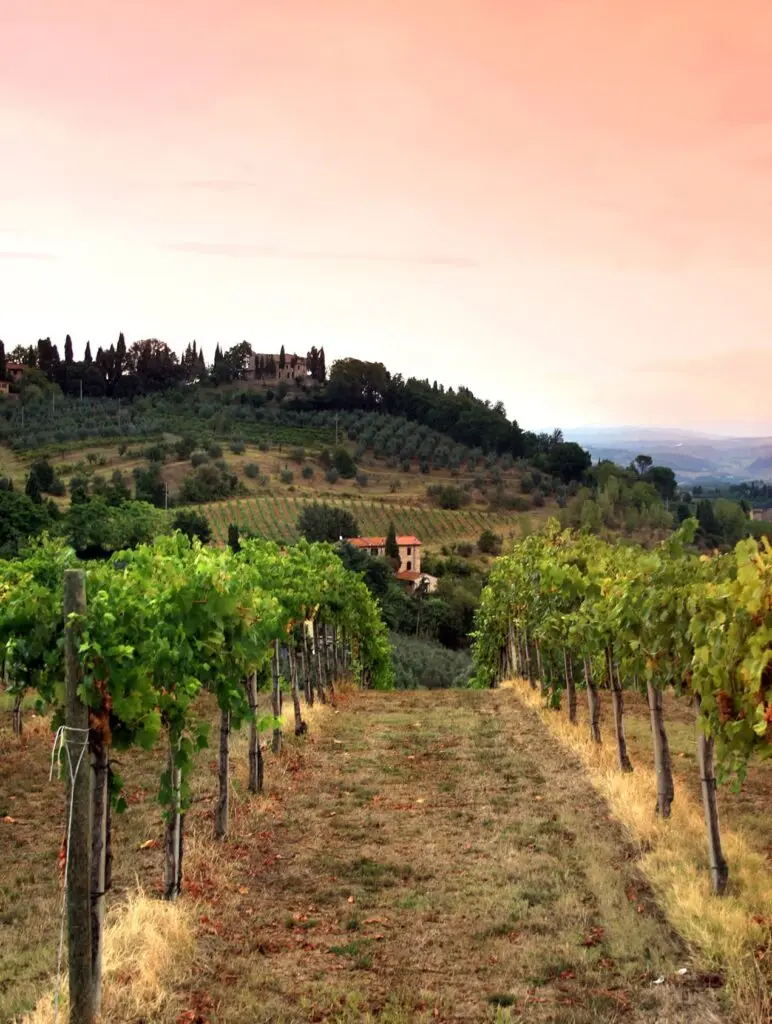
Steam or bain-marie
Because the grape residue is solid, it cannot be distilled over an open fire: parts of the mass would burn. It is therefore distilled using steam or in a bain-marie.
Without methanol
Because woody parts such as stalks and pips also ferment, a small amount of methanol is produced, which is far more toxic than ethanol. This methanol is carefully removed during distillation.
Clear or aged
Grappa that has not matured for long is usually clear in colour. Aged grappas are becoming increasingly popular; they take on a yellow or reddish-brown hue from the casks in which they have rested.
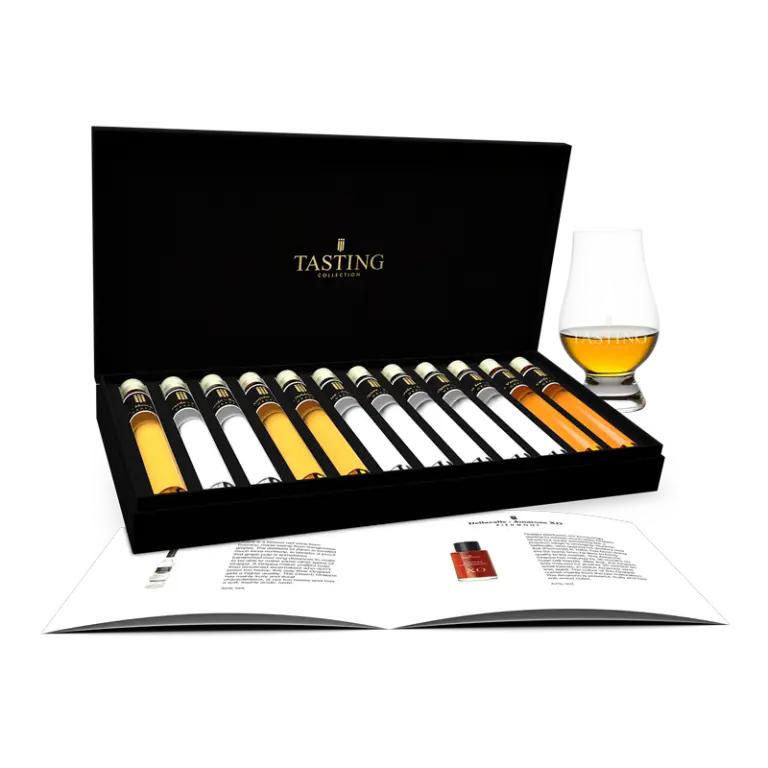
Grappa Tasting Collection
Has this got you excited and do you want to taste the finest grappas? Then order a Grappa Tasting Collection. Try them all and discover which grappa you like best!